Israel-Iran War Market Impact Guide 2026: Oil, Gold, Stocks, and Currencies
How Middle East conflict risk can move crude oil, gold, equities, shipping routes, inflation expectations, and central bank policy.
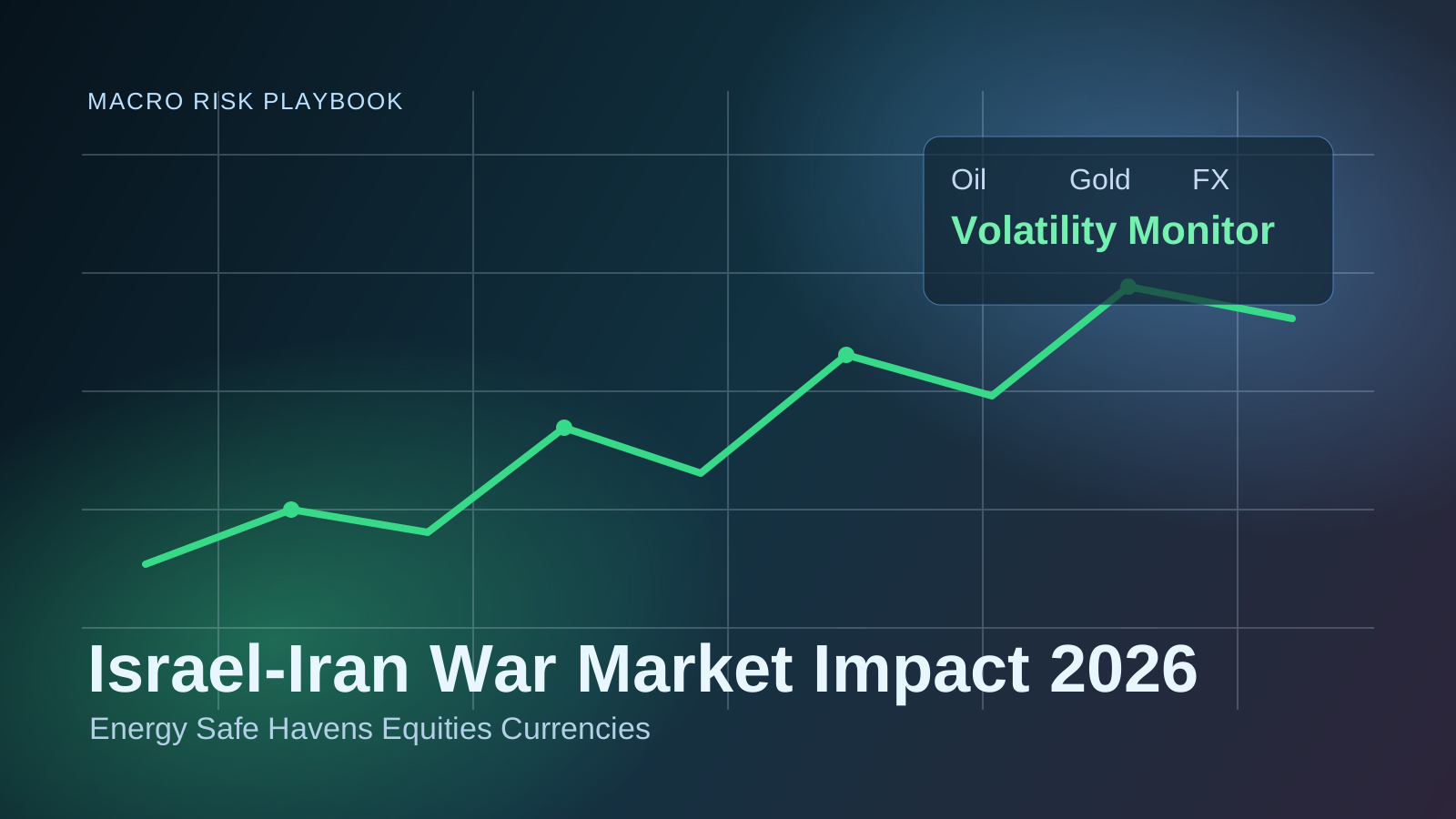
Conflict risk in the Middle East usually hits markets through a few repeatable channels: energy supply premium, freight and insurance costs, safe-haven demand, and inflation repricing. This guide explains how to track those channels with a practical investor workflow.
1. Energy Premium First
Oil often reacts before broader equity indices because the market prices potential supply disruption early. Even when physical supply remains stable, uncertainty itself can increase short-term volatility and widen risk premiums in transport-heavy sectors.
2. Shipping and Insurance Transmission
If maritime risk rises, freight routes and war-risk insurance can reprice quickly. Those costs move through trade chains and can eventually influence inflation expectations, bond yields, and central bank narratives.
3. Safe-Haven Rotation
Gold and defensive currency pairs may attract flows during escalation phases. Equity performance can split across sectors, with energy names and defense-linked themes diverging from consumption-sensitive businesses.
Scenario Matrix
Low Escalation
Short volatility spikes, limited macro repricing, faster normalization.
Medium Escalation
Higher oil band, stronger gold bids, wider sector dispersion.
High Escalation
Persistent risk premium, lower liquidity depth, broader cross-asset stress.
Execution Discipline Checklist
- Size positions by volatility regime, not headline emotion.
- Keep a predefined plan for adverse overnight gaps.
- Separate tactical trades from long-term allocation decisions.
- Review concentration risk after every sharp move.
- Document assumptions and update only when data changes.